NSSF Tanzania Reaches 592,791 Informal Workers
Wednesday, October 21 2026 9:00 am
By Dailynews.co.tz



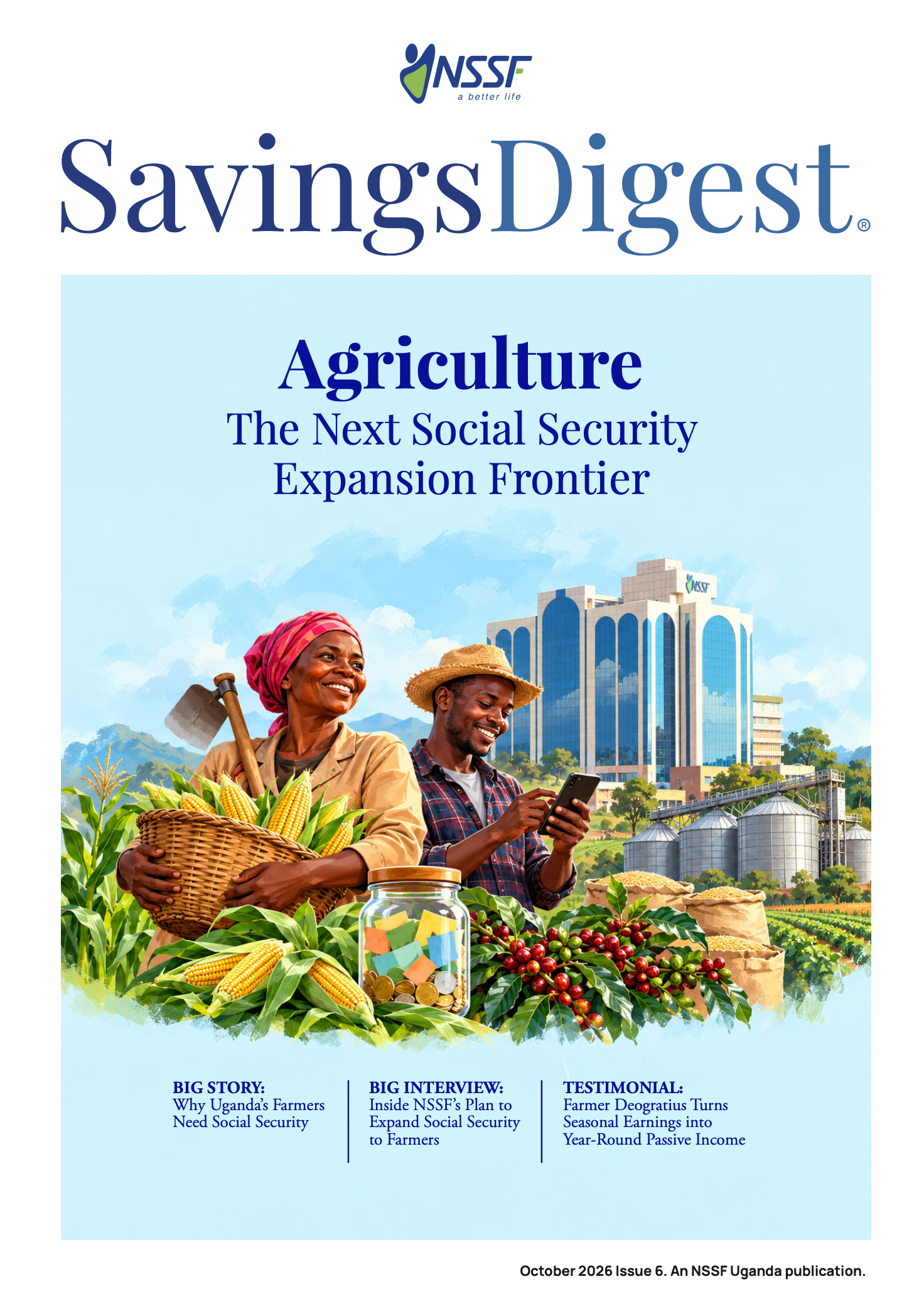
Tanzania’s National Social Security Fund (NSSF) has expanded social security services to the informal sector through its improved Self Employed Hifadhi Scheme, with nearly 593,000 people already registered as it moves to widen coverage in line with Dira 2050.
NSSF Director General Masha John Mshomba said the organisation had redesigned the scheme to allow people in self employment to contribute according to their income patterns, replacing the previous fixed monthly contribution model that proved difficult for many informal workers.
Speaking during a working session between media editors and NSSF, Mr Mshomba said 592,791 members had registered under the scheme by June 30 this year. NSSF aims to enrol another 279,371 members during the 2026/27 financial year.
“We have made major improvements to this scheme to enable self employed people to contribute more easily. Previously, an entrepreneur had to contribute a fixed amount every month, just like an employed person,” he said.
Mr Mshomba said the previous arrangement posed challenges because many people in self employment earn income that fluctuates with seasons, business cycles and different economic activities.
He said the improved scheme had received an encouraging response and now includes healthcare benefits following an assessment of members’ needs.
“We have a network of hospitals with which we have signed agreements and the medical service is progressing well,” he said.
Mr Mshomba said NSSF had developed products tailored to people in self employment and others who are not required to contribute to mandatory social security funds.
Under the scheme, members can contribute daily, weekly or monthly, depending on their financial capacity. They can also make backdated contributions for up to 12 months under prescribed conditions.
“The aim is to give people an opportunity to make decisions that correspond with their income circumstances,” he said.
The scheme targets farmers, fishermen, motorcycle and tricycle riders, food vendors, small scale miners, petty traders and other workers in the informal sector.
The minimum contribution is TZS 30,000 a month for an individual member, while members covering a spouse and up to four children contribute TZS 52,200 monthly.
Members may also contribute above the minimum amount, with higher contributions potentially increasing their benefits.
The expansion supports Tanzania’s Development Vision 2050, known as Dira 2050, which seeks to build an inclusive social security system that reaches more citizens, particularly those in the informal sector, through technology and efficient service delivery.
The vision recognises that many Tanzanians, especially those in rural areas and the informal economy, remain outside existing social security systems because of low public awareness and administrative barriers.
It also calls for increased access to social security benefits while enabling more workers in the informal sector to contribute to the national social protection system.
The Head of the Public Relations and Communication Unit at the Office of the Treasury Registrar (OTR), Mr Sabato Kosuri, said public institutions and agencies have a critical role in implementing Dira 2050 through investment, efficient service delivery and programmes that improve the economy and people’s welfare.
“We believe that public institutions and agencies have a major role to play in implementing Dira 2050. Their contribution can be seen through the investments they make, efficiency in service delivery and efforts to ensure that our country’s economy and people’s welfare reach the targets set out in the Vision,” he said.
Mr Kosuri said OTR had resumed engagements with media organisations to strengthen public understanding of the roles and responsibilities of state institutions in implementing the national development agenda.